
30 March 2026
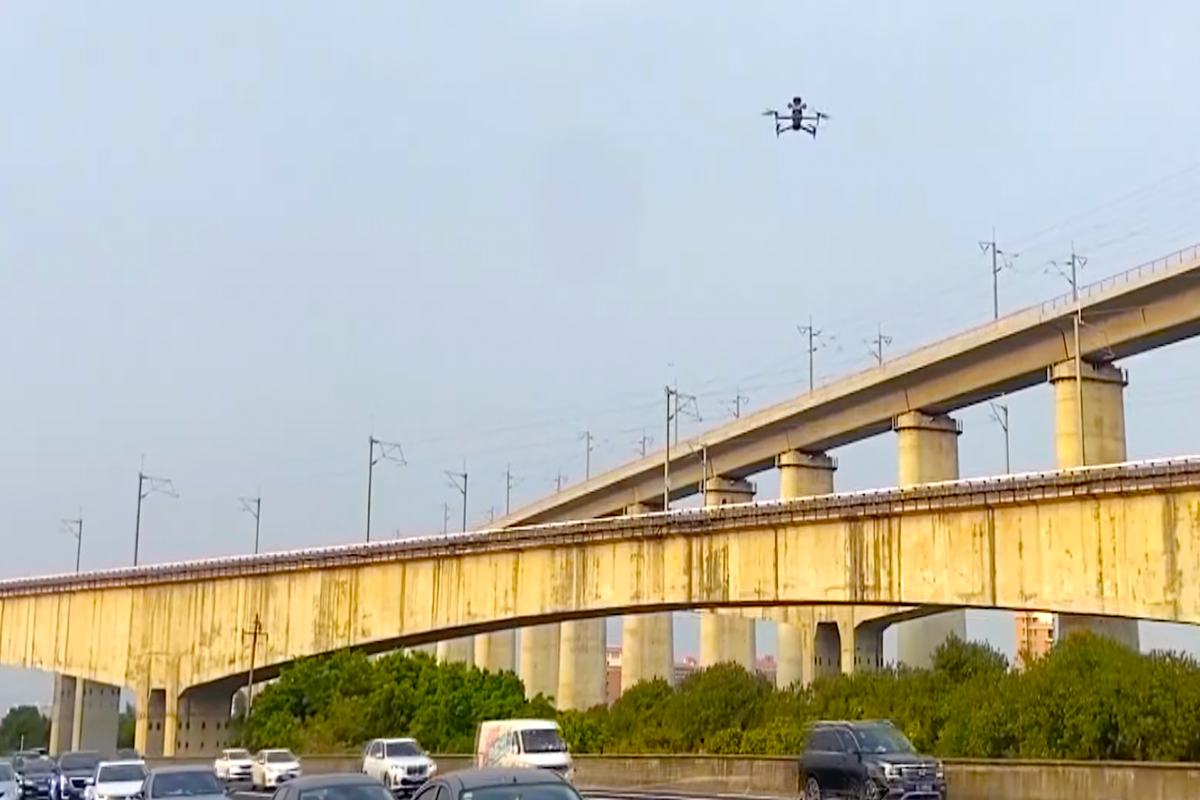
Traffic drones were introduced in Chinese cities such as Shenzhen and Guangzhou in 2025.
Was the initiative mostly a promotional "test case" on tech and traffic—along with adding the media buzz word that is "AI"—or did drones actually solve real-world auto density problems in crowded cities?
Current reports show the drones have been successful at improving traffic management, reporting accidents, enforcing vehicle laws and handling fender benders and other non-life-threatening incidents quickly.
The traffic drone successes include ...
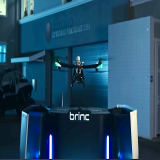
- Fast Incident Management: Typically sent "on patrol" from automated stations (or "hives") drones can arrive quickly at the scene of an accident, "report" from the air with real-time video, and allow police to guide drivers and assess liability in under ten minutes.
- Safety Surveillance: No more flaunting traffic laws, as camera-equipped drones can read license plates from around 350 feet away and identify violatiors. Compliance in busy areas has improved as a result.
- Reduced Congestion: Drones can be used to surveil traffic jams and report back on the causes—such as accidents and stalled vehicles—providing police with the situational awareness to allievate the situation and lessen the duration of traffic stoppages.
See how Drones fight traffic problems