
03 April 2026
Counter-UAS interceptor systems are basically the military's way of saying, "we need a fast, reliable way to deal with drones before they become a problem." And that problem has grown a lot. Cheap, off-the-shelf drones can now be used for surveillance, smuggling, or even attacks, so modern defense systems are built to spot them early and react quickly. Think of it like a layered defense: sensors (radar, RF detectors, cameras) pick up the drone, software figures out if it's a threat, and then the system decides how to deal with it—all in seconds. It's less about one single tool and more about a coordinated system working together in real time while active companies are forging ahead in the industry that include: ZenaTech, Inc., VisionWave Holdings, Inc., Draganfly Inc., AeroVironment, Inc., Safe Pro Group Inc.
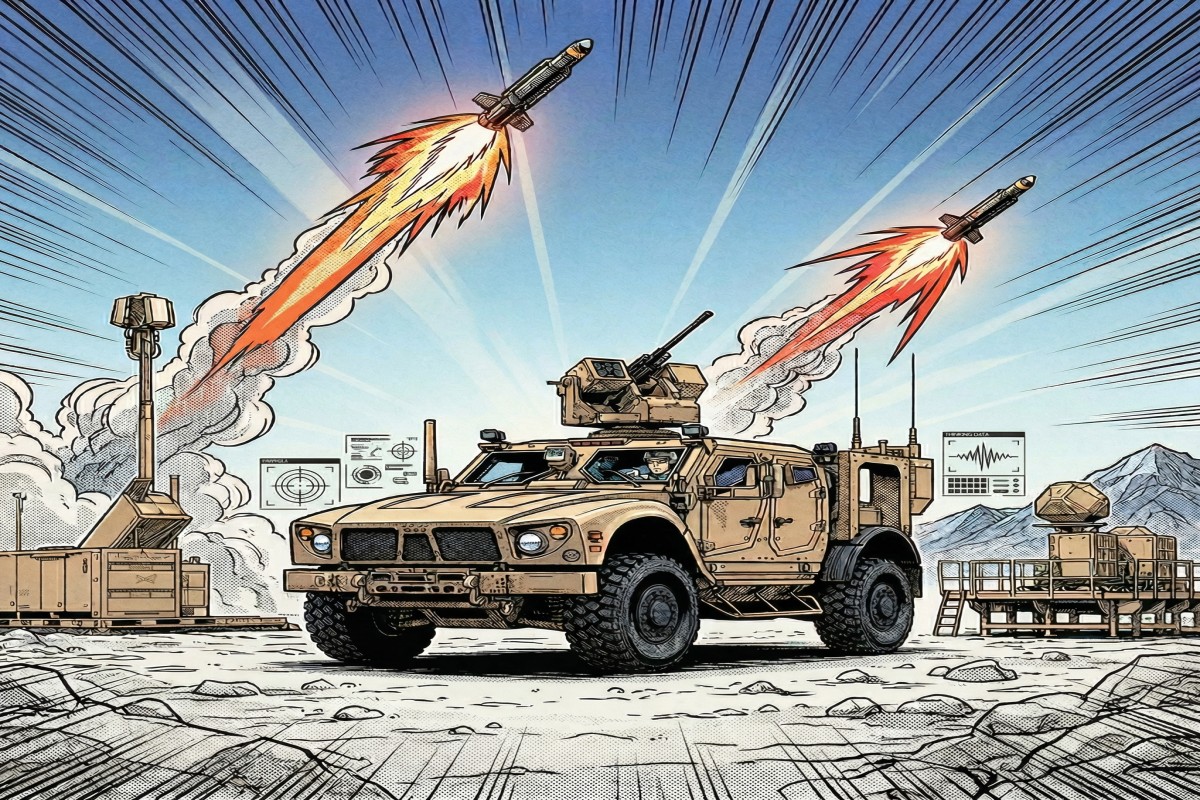
When it comes to actually stopping a drone, there's no one-size-fits-all solution. Some systems go kinetic—shoot it down with missiles, guns, or even another drone interceptor. Others go non-kinetic, which is often preferred in complex environments: jamming signals, spoofing GPS, or taking control of the drone mid-flight. Then you've got newer tech like lasers and high-power microwaves that can disable drones almost instantly. The trend in military operations is layering these options together, so if one method fails (say, against a swarm), another kicks in. That layered approach is becoming essential as adversaries move toward coordinated drone swarms and more autonomous systems.
From a market perspective, this space is absolutely booming. The global counter-UAS market is projected to jump from roughly $6–8 billion in the mid-2020s to over $20 billion by 2030, with some estimates going even higher depending on how fast threats evolve. In fact, more aggressive forecasts suggest it could reach nearly $28 billion by 2032 or even approach $60–70 billion by the mid-2030s as militaries double down on airspace security. The key driver is simple: drones are getting cheaper and more capable, so defense systems have to scale just as quickly. That's why you're seeing heavy investment not just in hardware, but in AI-driven detection, autonomous response systems, and integrated defense networks that can keep up with the pace of modern warfare.