
08 April 2026
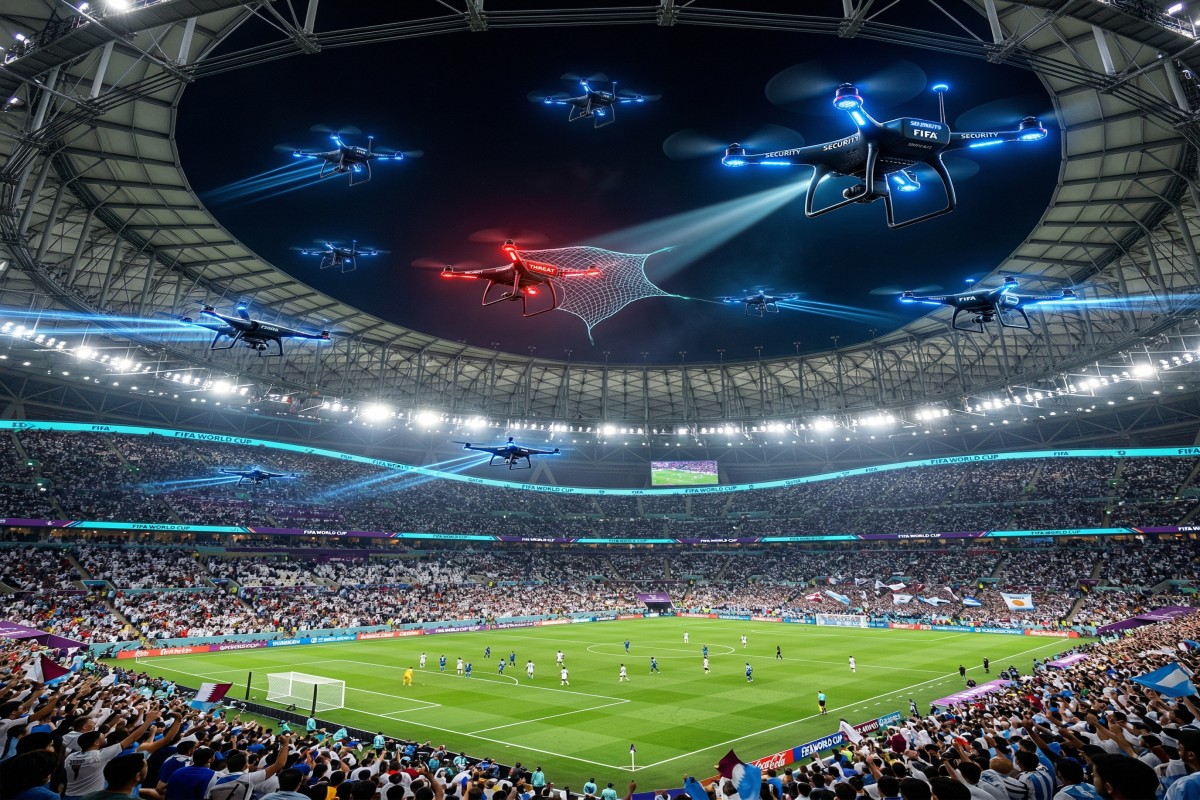
The United States is looking to the summer to increase, develop, and test aerial defenses at events such as the World Cup, also creating opportunities for drone defense companies.
“Out of the World Cup, you’ll see the baseline for what law enforcement and critical infrastructure sites will then buy at scale,” says Jon Gruen, CEO of Fortem Technologies. “You’re going to see how it worked, and see how it all fits together.”
Fortem recently inked a multimillion-dollar deal to deliver AI systems, radar, and drone interdiction tech to American cities that are hosting the soccer tournament.
With other massive events hitting their shores—including the America's 250th birthday and the 2028 Olympics—drone defense has become a national priority.
Still, some feel we are playing catch up.
“We don’t have the training, we don’t have the equipment, and we don’t have the number of personnel that are skilled in mitigation technology and the use of mitigation technology, particularly the application of that technology in really highly dense radio frequency environments or urban environments,” says G.B. Jones, chief safety and security officer for the FIFA World Cup 2026, in November.
Happily, there is more and more attention to the situation. For example, the Safer Skies Act was signed into law last year, authorizing state and local authorities to bring down drone threats. In addition, the FBI’s Hazardous Devices School in Huntsville, Alabama, holds drone mitigation training programs for law enforcement.
There's more.
The Department of Homeland Security is on track to spend $115 million on drone defense for the World Cup.
The Federal Emergency Management Agency is offering $500 million in special, Counter-Unmanned Aircraft Systems grants. Half of the funding has been fast-tracked to help World Cup host cities invest in new technology.
Los Angeles Police Department officials approved a $9.8 million federal grant to protect the city from drone attacks before the city hosts the World Cup and the Olympics.
“It’ll take a herculean effort to be ready,” says Michael Robbins, President and Chief Executive Officer of the Association for Uncrewed Vehicle Systems International. “But now, it’s being taken seriously.”