
10 March 2026
Drone technology has rapidly expanded over the past decade, transforming everything from aerial photography to infrastructure inspection. As drones have become more common in U.S. airspace, federal regulators have also increased their focus on safety and accountability. I can remember when I first had the aspiration to pursue getting my part 107 back in 2018, there wasn’t an aggressive enforcement against unsafe drone operations.
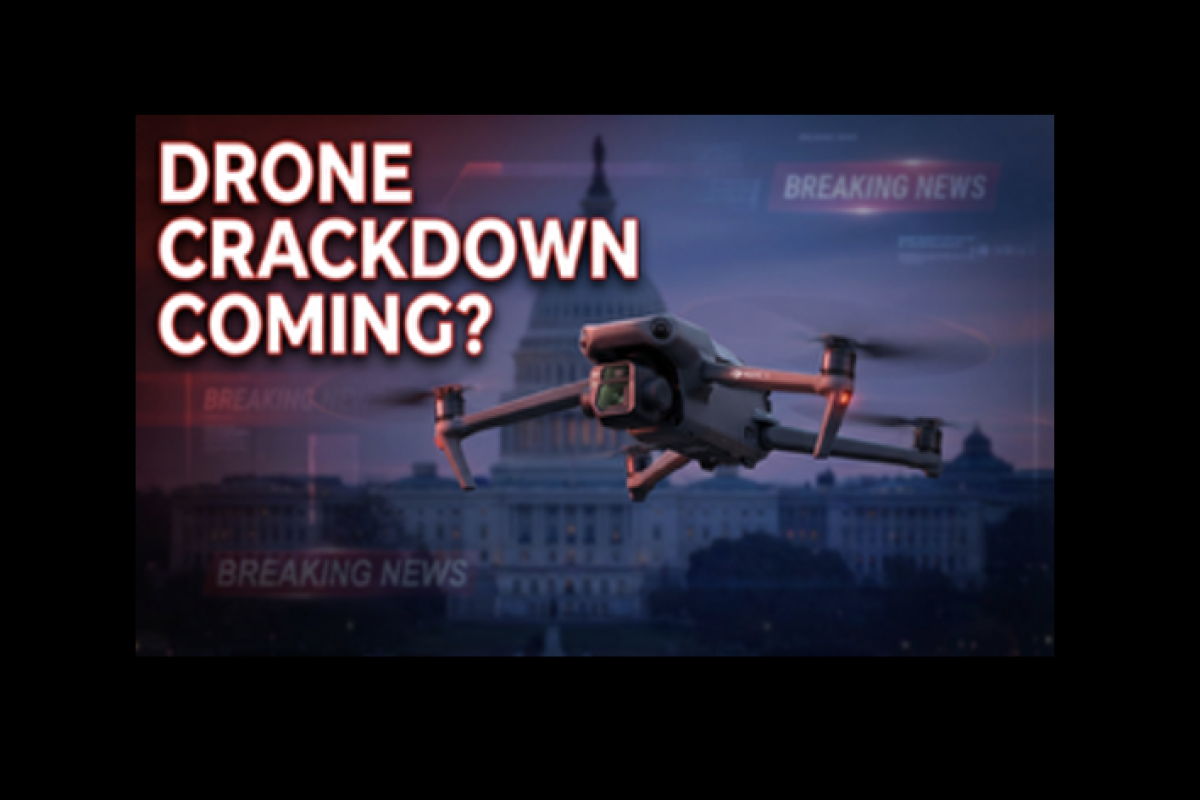
Fast forward to 2026, and now we have one of the most important but often overlooked documents shaping how drone violations will be handled is FAA Order 2150.3C: The FAA Compliance and Enforcement Program. So in this article, I will explain what this new order is, what drone pilots need to know, then give you my thoughts and opinions at the end.
While this order applies broadly to aviation, its policies have direct implications for both commercial drone pilots operating under Part 107 and recreational drone pilots flying under 49 USC §44809. Recent enforcement guidance and updates tied to the order signal that the Federal Aviation Administration is taking a more assertive approach toward unsafe drone operations.
For drone pilots, understanding how the FAA investigates violations, determines penalties, and pursues enforcement actions is just as important as understanding airspace rules themselves. This is why I’m sharing this information with you so that you’re not caught off guard.
What Is FAA Order 2150.3C?
FAA Order 2150.3C establishes the framework used by the FAA to investigate violations and enforce aviation regulations. The document outlines the agency’s authority, policies, procedures, and legal standards for addressing noncompliance across all sectors of aviation.
In simple terms, this order answers a critical question: What happens when someone breaks aviation rules? The order describes the process used by the FAA to determine whether a violation occurred and what type of action should follow. These actions may include:
• Compliance actions (education or corrective training)
• Administrative actions (warning notices or letters of correction)
• Civil penalties (financial fines)
• Certificate actions (suspension or revocation of a pilot certificate)
For drone pilots, the order provides insight into how seriously the FAA treats unsafe operations and what types of violations are most likely to trigger enforcement.
The FAA’s Shift Toward Stronger Drone Enforcement
Historically, the FAA often emphasized compliance rather than punishment. If a pilot made an honest mistake and cooperated with investigators, the agency frequently resolved the issue through education or counseling instead of legal penalties. Don’t get me wrong, previously even before this new order was introduced, we know that the FAA has come down hard on several individuals who have shown or displayed unsafe drone operations in the past, by sending out hefty fines, and or even seizing drone equipment from offenders all together.
However, recent guidance associated with Order 2150.3C suggests a shift in approach when it comes to drones.
Investigators are increasingly expected to refer UAS related violations to the FAA Office of the Chief Counsel for legal enforcement, particularly when operations endanger the public or demonstrate poor judgment.
This means that certain drone violations may now lead more quickly to fines or certificate actions instead of informal compliance measures.
The FAA has made it clear that operations that threaten safety will be treated seriously. According to recent reporting, the agency intends to take decisive action against operators who ignore safety rules or operate drones without proper authorization.
For both recreational and commercial pilots, this change highlights the importance of understanding the rules before flying.
What Triggers FAA Enforcement Against Drone Pilots?
Under Order 2150.3C, enforcement actions are typically triggered when investigators determine that a pilot’s actions created a risk to safety or violated federal regulations.
Common examples of violations include:
Unauthorized Airspace Operations
One of the most common drone violations involves flying in controlled airspace without authorization. Operations in Class B, C, or D airspace near airports generally require approval through the LAANC system or other FAA authorization.
Flying in these areas without clearance can trigger an investigation and possible enforcement action. It is easier then ever to check the airspace and request approval through the LAANCE system.
Ignoring Temporary Flight Restrictions (TFRs)
Temporary Flight Restrictions are issued for events such as wildfires, major sporting events, or VIP travel. Flying inside a TFR without authorization is considered a serious violation because it can interfere with emergency response operations or manned aircraft. I can remember a time when a fire was active somewhere behind my property in my neighborhood and though I could smell smoke, I couldn’t see where the fire was located. Immediately I wanted to then take my drone just to get a visual of where the fire was and how far away the fire was from my property, but before I even took the drone up, I had enough knowledge to first check the airspace for TFRs. Now normally in my area, it’s class G airspace, but since there was a fire, I wanted to make sure there were no flight restrictions or (TFRs), and to no surprise there indeed was a TFR in place which restricted all unmanned aircraft from flying in the area. So I stayed grounded until the (TFR) was lifted.
Operating Without Remote Identification
Remote ID requirements have now become a major enforcement focus. Pilots operating drones that are required to broadcast Remote ID but fail to comply could face penalties if investigated.
Reckless or Dangerous Flying
Operations that create hazards such as flying over crowds, near aircraft, or beyond visual line of sight without authorization—are also likely to trigger enforcement. Investigators may take action when drone operations demonstrate a lack of care or responsibility.
Examples of dangerous activity cited in enforcement discussions include losing control of a drone or dropping objects that could create hazards to people or property.
Compliance Actions vs. Legal Enforcement
One of the most important concepts in FAA Order 2150.3C is the distinction between compliance actions and legal enforcement actions.
Compliance Actions
These are corrective actions used when the FAA believes a pilot made an honest mistake and is willing to fix the issue.
Examples include:
• Counseling
• Training
• Informal discussions with investigators
The goal of compliance actions is to educate rather than punish.
Legal Enforcement Actions
When investigators believe a pilot intentionally violated rules or acted recklessly, they may pursue legal enforcement.
Legal enforcement actions may include:
• Civil penalties (fines)
• Certificate suspension
• Certificate revocation
The FAA may also pursue enforcement when pilots repeatedly violate rules or demonstrate unsafe behavior.
For commercial drone pilots who hold a Remote Pilot Certificate, certificate actions can have serious professional consequences.
What Commercial Drone Pilots Should Know
Commercial drone pilots operating under Part 107 have additional responsibilities compared to recreational pilots. Because they hold FAA certificates, enforcement actions can directly affect their ability to work.
One important protection for certified pilots is the Pilot’s Bill of Rights, which requires investigators to notify certificate holders when they are under investigation in most cases.
This notification gives pilots an opportunity to understand the allegations and respond appropriately.
However, if an investigation results in enforcement action, the FAA may suspend or revoke a remote pilot certificate. In some cases, civil penalties may also be imposed.
Commercial operators should therefore focus on maintaining strong safety practices, including:
• Pre-flight airspace checks
• Maintaining visual line of sight
• Monitoring NOTAMs and TFRs
• Using compliant Remote ID systems
These habits can significantly reduce the risk of enforcement issues.
What Recreational Drone Pilots Should Know
Recreational drone pilots often assume that FAA enforcement primarily targets commercial operators. In reality, hobby pilots can also face investigations when unsafe behavior occurs.
Recreational flyers must comply with the rules outlined in 49 USC §44809, which include requirements such as:
• Passing the TRUST safety test
• Flying within visual line of sight
• Staying below 400 feet
• Avoiding restricted airspace without authorization
Unlike commercial pilots, recreational flyers generally do not hold an FAA airman certificate. This distinction affects how enforcement is handled.
For example, certain legal protections that apply to certified pilots such as the Pilot’s Bill of Rights notification requirement may not apply to recreational operators in the same way.
However, recreational pilots can still face civil penalties if their actions violate regulations or create hazards, which is why I believe we are about to see enforcement increase.
Why Enforcement Is Increasing
Several factors are driving the FAA’s increased focus on drone enforcement.
First, the number of drones in the United States continues to grow rapidly. Millions of drones are now registered with the FAA, and new commercial use cases continue to emerge.
Second, drones share the same airspace as helicopters, airplanes, and other aircraft. Unsafe operations can create serious risks, particularly near airports or emergency response scenes.
Finally, drones are increasingly being used in sensitive environments such as stadiums, critical infrastructure areas, and disaster zones. Regulators want to ensure that operators respect airspace restrictions and operate responsibly.
These factors have led regulators to emphasize accountability and enforcement.
Practical Steps to Avoid FAA Enforcement
While FAA enforcement may be increasing, the vast majority of drone pilots never face investigations. However, the best way to avoid problems is to follow a few simple practices.
Always Check Airspace Before Flying
Use trusted airspace apps and check for restrictions before every flight. Many violations occur simply because pilots fail to verify airspace status. Like I previously stated, even though I knew I was in class G airspace, I still wanted to double check the airspace to see if there were any changes or updates. This is the responsibility of every drone pilot.
Understand Remote ID Requirements
Make sure your drone complies with Remote ID rules or is flown in an approved FRIA if required.
Monitor NOTAMs and Temporary Flight Restrictions
Major events and emergencies frequently trigger temporary airspace restrictions. Checking these notices before flying can prevent accidental violations.
Maintain Visual Line of Sight
Unless operating under a waiver, drone pilots must keep their aircraft within visual line of sight at all times.
Avoid Risky Situations
Flying near crowds, emergency scenes, or moving vehicles can quickly escalate into an enforcement issue. Remember, safe, conservative operations are always the best strategy.
The Bottom Line for Drone Pilots
FAA Order 2150.3C provides the foundation for how aviation violations including drone violations are investigated and enforced. As drones continue to expand in popularity and capability, regulators are paying closer attention to how these aircraft are operated in the national airspace. People are more aware now of what a drone is capable of, as well as how they can be used which in my opinion has the ability to change the perception of drones really quick from a positive tool, or to a negative weapon.
Recent guidance tied to this order suggests that the FAA is becoming more willing to pursue legal enforcement when drone operations endanger safety or violate airspace restrictions. For both commercial and recreational pilots, the message is clear: safe and responsible flying is no longer optional, it is essential. On the bright side, the good news is that avoiding enforcement actions is relatively straightforward. By understanding airspace rules, staying informed about regulations, and prioritizing safety, drone pilots can continue to enjoy the benefits of flight while protecting the reputation and future of the drone industry.
As the industry grows, responsible operators will play a critical role in demonstrating that drones can safely coexist with traditional aviation. Knowledge, preparation, and professionalism will ultimately be the keys to navigating this evolving regulatory environment. We as a drone community must do our part, and I believe we will do just that, and answer the call towards safe operations moving forward.
Learn More